
India's utility-scale solar sector is experiencing unprecedented growth, driven by ambitious government targets, declining costs, and increasing energy demand. Let's explore what the future holds for this dynamic industry.
Current State of Utility-Scale Solar
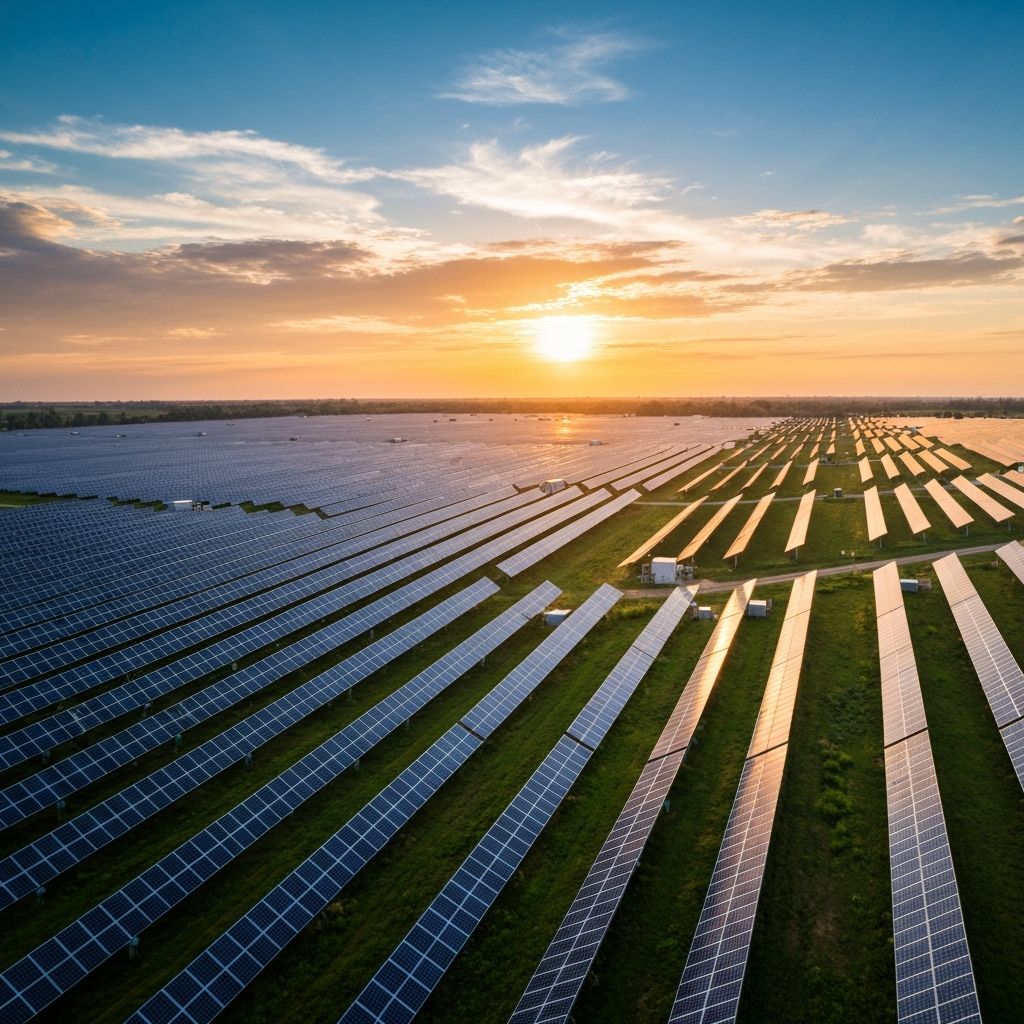
India has installed over 60 GW of solar capacity as of 2024, with utility-scale projects accounting for approximately 75% of this total. The country is on track to achieve its 280 GW renewable energy target by 2030.
Key Growth Drivers
Policy Support
- National Solar Mission expansion
- Renewable Purchase Obligations (RPO)
- Interstate transmission charge waivers
- PM-KUSUM for agricultural solar
Economic Factors
- Solar tariffs reaching grid parity (Rs. 2-2.5/kWh)
- Declining equipment costs
- Improved financing options
- Growing corporate PPA market
Emerging Trends
Hybrid Projects
Solar-wind hybrid projects are gaining traction, offering better capacity utilization and grid stability. Several GW of hybrid capacity is under development.
Storage Integration
Battery storage is becoming increasingly viable, with round-the-clock (RTC) solar tenders driving innovation in storage solutions.
Green Hydrogen
Utility-scale solar is positioned to power India's green hydrogen ambitions, with dedicated solar parks planned for hydrogen production.
Challenges and Solutions
- Land Acquisition: Ultra-mega solar parks and canal-top installations
- Grid Integration: Transmission infrastructure investments
- Payment Security: Payment security mechanisms and corporate PPAs
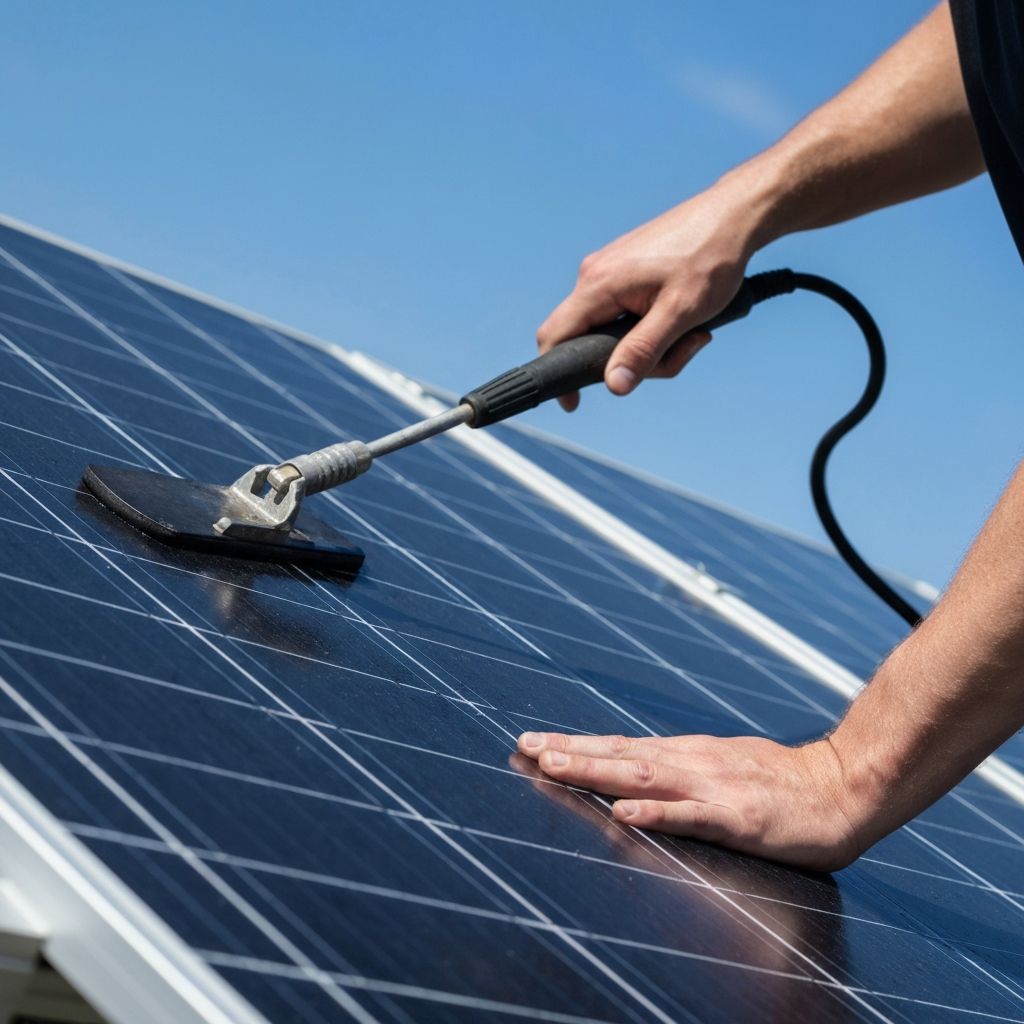
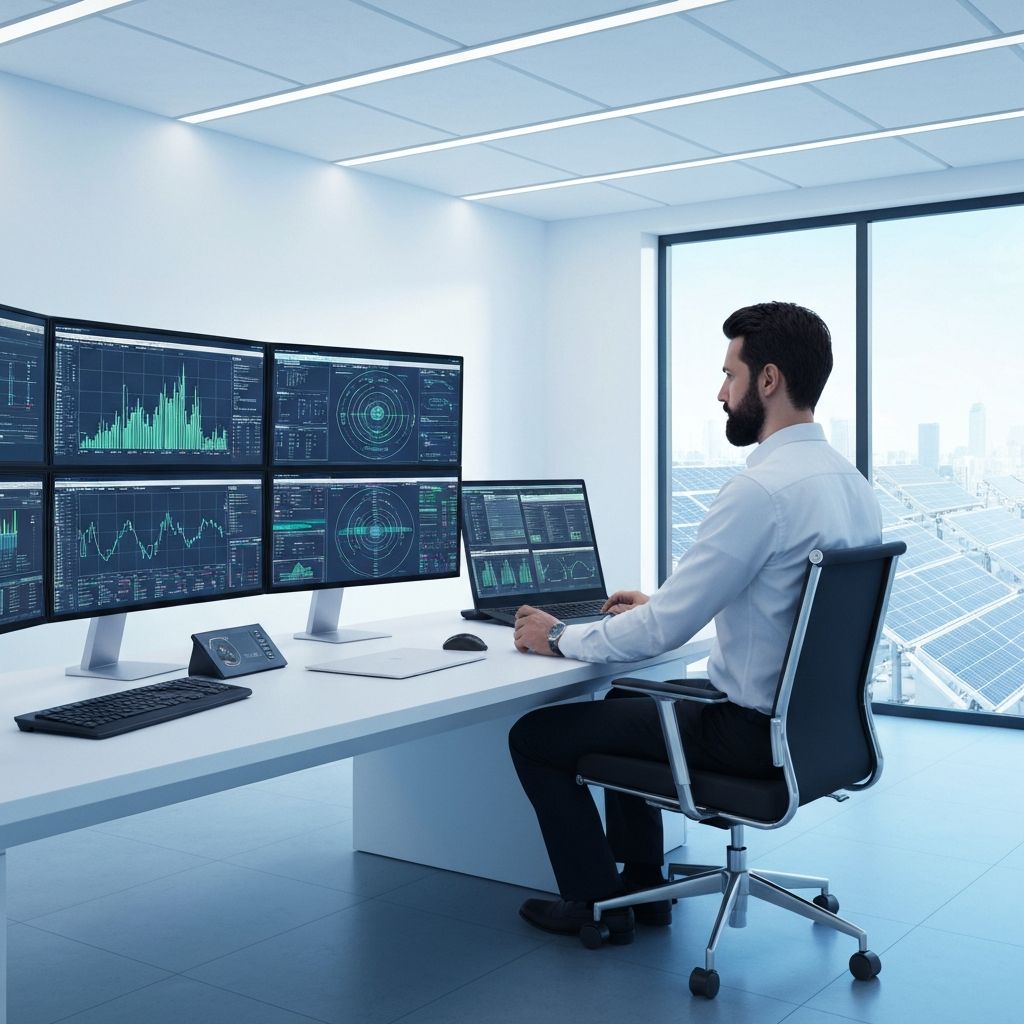
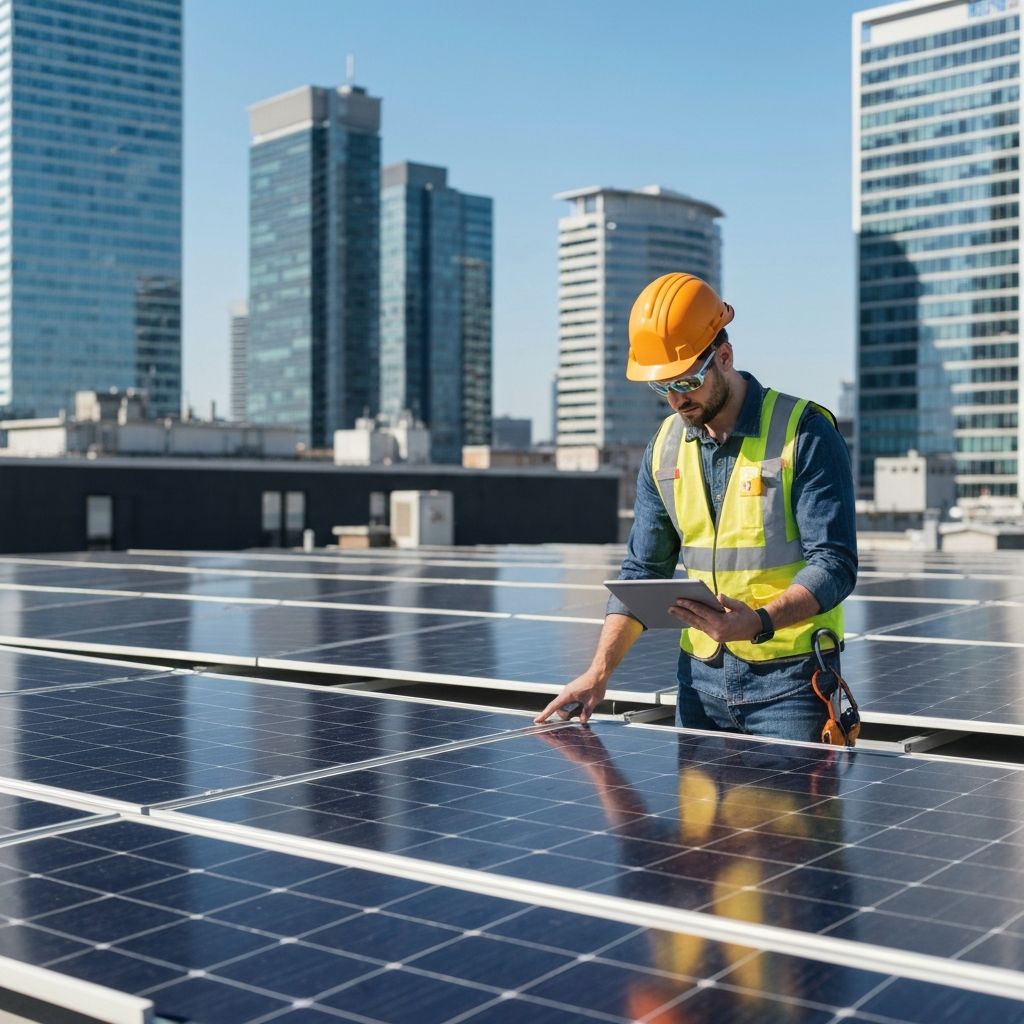
- O&M Quality: Professional asset management services
The O&M Opportunity
As capacity grows, so does the need for professional O&M services. The utility-scale solar O&M market in India is expected to reach Rs. 10,000+ crore by 2030, creating significant opportunities for specialized service providers.
Conclusion
The future of utility-scale solar in India is bright, with continued growth expected across all segments. Success will depend on efficient project execution and professional asset management throughout the operational life of these installations.